












Being a student leader sounds fun on paper. From the outside, it looks like we’re always planning something exciting. But as senior class treasurer, a part of Leadership, a part of the National Honor Society, and involved in pretty much every big thing happening at Richmond Hill High School, I can tell you that behind the scenes, it’s a whole different story. No matter how hard we try, getting students to actually show up for events often feels like dragging a couch up six flights of stairs.
Ms. Arriola, who runs Leadership and senior class, works closely with students to make these events happen. She says the goal is always to create opportunities for students to feel connected to their school, even when there are limitations. “We want students to have fun,” she says. “But we also have to work with the policies and regulations”.
However, those same policies often make planning difficult. Events are sometimes approved with heavy restrictions that change the original idea entirely. Or they’re denied altogether, making it harder to create something exciting. Even when an event does get approved, advertising is another challenge.
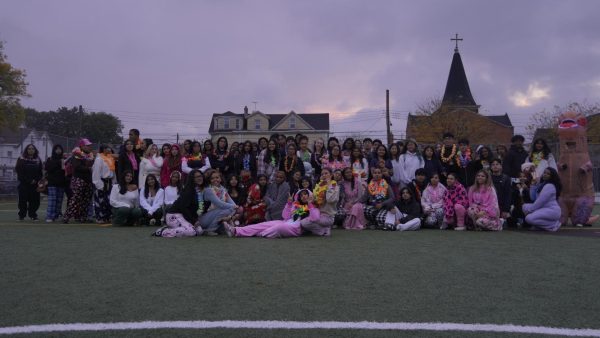
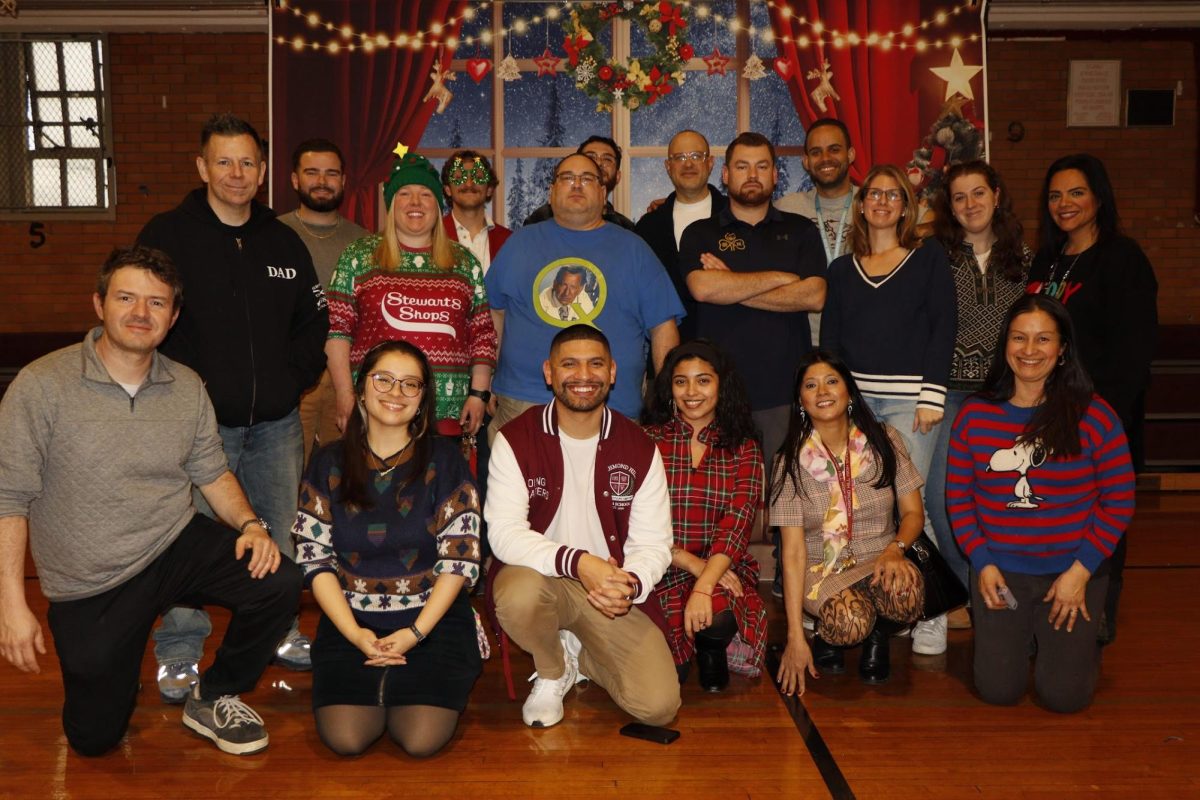
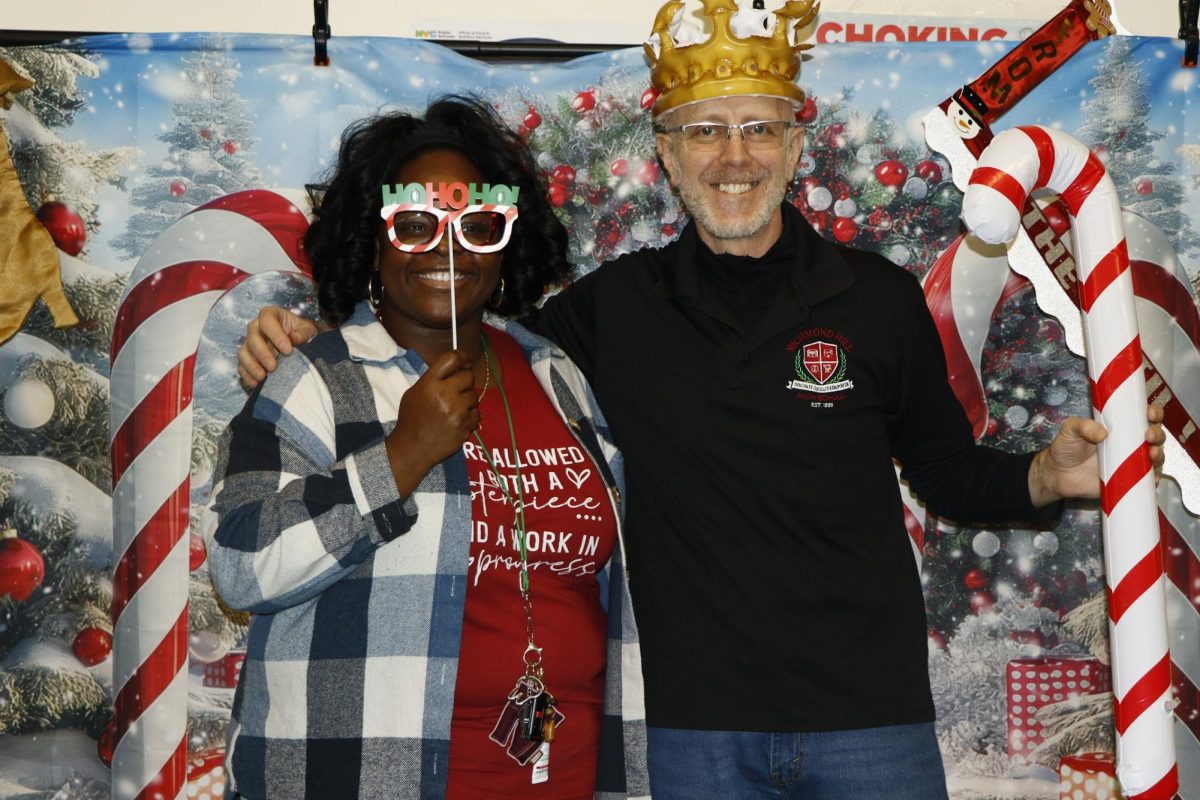
That’s why the disconnect is so frustrating. We know what’s possible because we’ve seen it work. Events like senior sunrise and the holiday extraveganza showed what’s possible when students are given support and flexibility. Those events brought large groups of students together and helped create a stronger sense of school spirit. Another example is last year’s spring carnival. When student leaders were trusted with enough freedom to plan and run the event, the response from students was overwhelming. Tickets sold out, students were genuinely excited to attend, and the event became one of the most talked-about experiences of the year. The carnival proved that when Leadership is trusted and supported students are not only willing to show up, they want to be there.
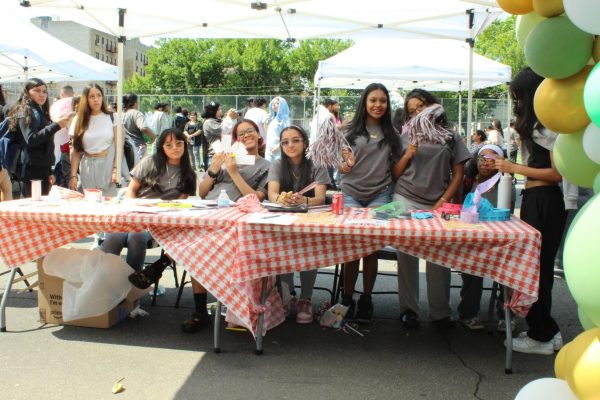
But too often, student leaders feel like their ideas are viewed as risks instead of opportunities. At the same time, the school’s caution comes from the real need to prioritize safety and structure. Avoiding unnecessary risks helps ensure events don’t turn into situations that could negatively affect students or the school. When students sense that hesitation, they lose interest too. They assume events won’t be fun or that nothing exciting is allowed anyway. Eventually, students stop showing up.
With the New York State phone ban in schools, we can’t reach students the way we used to. No one is checking their email during the school day. Even if they wanted to, they’re not allowed to unless they’re on school laptops. Flyers used to be our backup, but Leadership isn’t allowed to put those up either because administration doesn’t want tape ripping the paint off the walls. That might seem like a small thing, but when you’re trying to promote an event in a school this big, it makes a huge difference. Word of mouth can only go so far in a school building with thousands of students.
Still, we keep trying. We pitch ideas, plan them, defend them, and push for anything that might bring students together. At the end of the day, student events matter and they’re worth fighting for. They’re the moments people remember long after graduation. They break up the stress of school and give students something to look forward to. And even if only a few students show up, making someone’s day a little better is worth it.
Student leaders, such as myself, believe that more consistent support from administrators could help make those successes more common. That includes clear communication, more flexibility when approving events, and continued help with promotion when students feel trusted they are more motivated to take ownership of their ideas. When students see that their peers excited, they’re more likely to show up.
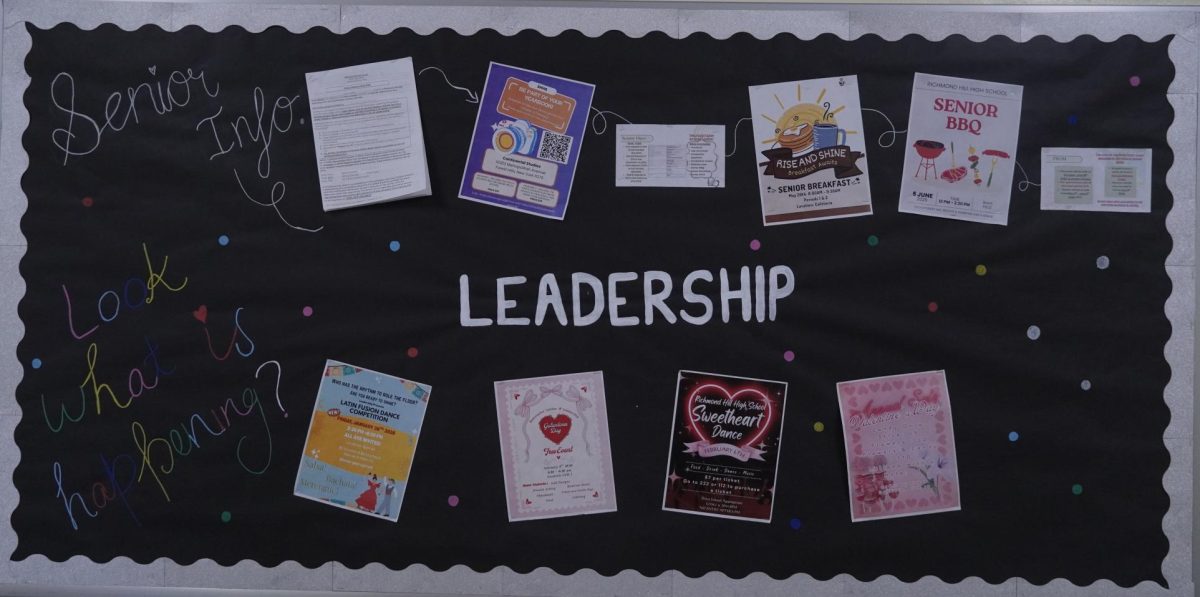
Recently, Principal Alamarie has taken steps to improve that. Bulletin boards have been added around the building specifically for event promotion, giving Leadership an alternative and more reliable way to share information. This change has made it significantly easier for students to actually see what’s happening at school. It also shows willingness from administration to listen to student concerns and adapt when something isn’t working. Small changes like this can have a real impact, especially in a large school where visibility matters. When students can clearly see what’s being planned, it helps rebuild excitement and trust around school events.
Planning school events isn’t easy, but it plays an important role in building community. Student leaders will continue to plan, promote, and advocate for these vital school experiences. Leadership needs more trust, freedom, and consistent support. With the right tools, more engagement from students, and the ongoing support from the administration, school events can become something that students can feel excited to be part of.