








The weather is gloomy, the sky is starless, all living things are quiet, but the only thing that is left in the vast Earth now occurs within, the undead.
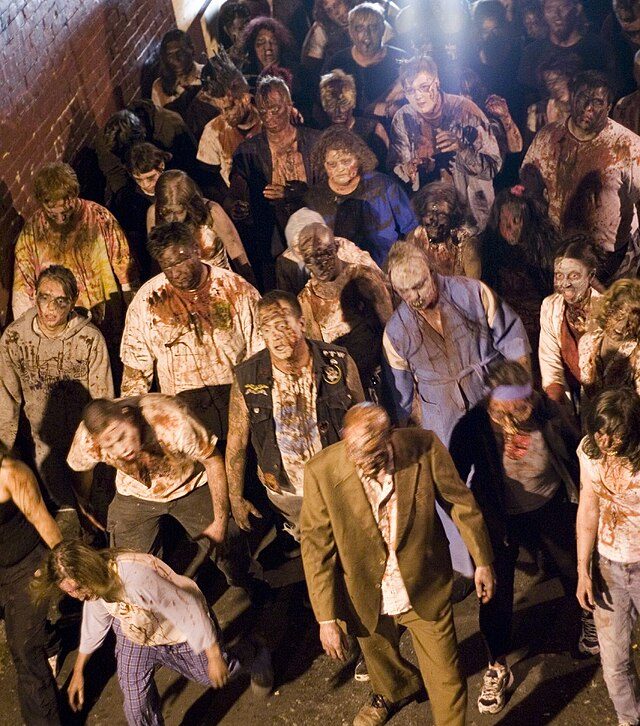
Zombie films and movies have always been a timeless, fun genre that many people enjoy interacting with in film or text. The thrills of apocalyptic and post-apocalyptic films have piqued the interest of many fans, filled with scares and mystery. Picture yourself waking up from a coma, like Rick Grimes in The Walking Dead or Jim in 28 Days Later, only to realize the whole world has turned upside down. Not a single human being in sight, but instead, a slow walking monster trying to take a bite out of you. Whether it’s the corporate bioweapon of Resident Evil films, the unethical experiments in Train to Busan, or the cure-gone-wrong in I Am Legend, the pathogen or flesh-eating virus is usually man-made. The mystery behind “who” and “what” causes most viewers, like me, to find the antidote to the disease. In addition, the chaos and violence that films showcase paired with the horror makes it more captivating to viewers.
Fan favorite shows like The Walking Dead, World War Z, Train to Busan, 28 Days Later, Dawn of the Dead, and Happiness all share important psychological themes. Each explores aspects of the human mind such as grief, envy, egocentrism, and problem-solving, revealing how people react when pushed to their limits.
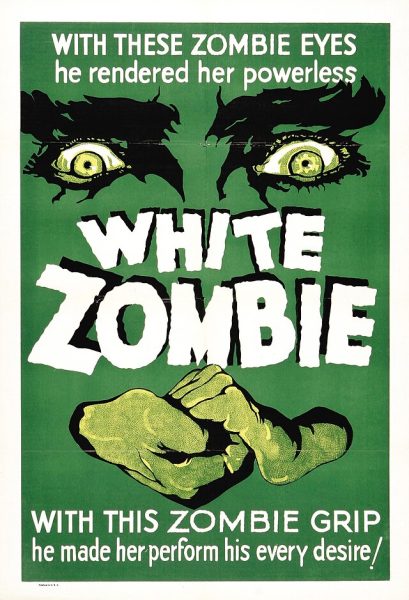
However, what is often overlooked is the history of zombie films. Zombie films trace back to Haitian folklore; if it wasn’t for them we wouldn’t have the zombies we know today. Zombies at the time weren’t undead cadavers; instead they’re more like magic-possessed beings. This early interpretation later appeared in one of the first cinematic portrayals influenced by Haitian traditions, Henry Francis Downing’s 1914 Voodoo, and later resurfaced in films like The Serpent and the Rainbow, which directly explored Haitian zombification practices. This drastic transition of cultural folklore to cinematics was dramatic; it allowed filmmakers to introduce more abstract cultural traditions and stories into the film industry, allowing a new genre to arise for an immersive experience for horror fiction lovers. Over time, zombie films slowly took in elements of supernatural powers/voodoo, until film makers created the first alluring zombie breakthrough with the “first zombie movie” by Victor Halperin’s 1932, White Zombie, a vital stepping stone in the film industry. The film combined the history of Haitian folklore, but it introduced a romanticized version of the somber genre without having the traits of the typical zombie that we are so used to seeing.
Over the years, zombies slowly started to increase in popularity. During the time of World War II, a comedic flow of zombie films came to be, such as Zombies on Broadway, King of the Zombies, and Revenge of the Zombies. Perhaps reflective of the need for positivity in a difficult time. However, in these films, they would use African-Americans in the movie to be portrayed as zombified slaves while the white cast were the survivors. This type of behavior at the time was pushed off as a joke to the public and was normalized, which is completely unjust and questionable. The zombies in the film would usually be a racially coded figure impacted by exploited labor. While the villain would be a white slave owner who controls the “undead” slaves, a reminder of the Atlantic slave trade.
In 1968, zombie films began to expand on their mythology storyline and elaborate more on the uneasy and spooky visuals with special effects improving. As time went, filmmakers were experimenting with the new genre, until a major shift happened during the early 2000s. The movie 28 Days Later (2002), by director Danny Boyle, established the grotesque and sickening elements we know today. Alongside films like the Dawn of the Dead (2004) remake and Shaun of the Dead (2004), all of which expanded the genre’s tone from comedic relief and terrifying. This expanded horizons for apocalypse film lovers, and introduced this genre into video games like The Last of Us or Resident Evil.
Since then, zombie movies have skyrocketed in popularity; some of my favorite films and shows are Train to Busan, The Walking Dead Series, All of Us Are Dead, #Alive, 28 Weeks Later, Kingdom, and Peninsula.Watching zombie apocalypse ignites a certain type of excitement yet horror inside me, wondering constantly about what will happen, or whether the main character survives; it always grabs my attention beyond limits. All these films have the same recurring themes that charm me, and that is the human psychological aspect. Every character in each film reacts differently, pushing me to watch more. Yet many overlook these films for their ghastly aspects of the zombies. Watching zombie apocalypse stories ignites a certain type of excitement yet horror inside me; Train to Busan devastates me with its emotional sacrifices, while All of Us Are Dead pulls me in with its raw portrayal of teenage fear and loyalty. Additionally, these films teach people helpful survival skills and inspiring stories. Zombie films can show how humanity reacts and reconnects in cases of unfortunate events: revealing the ugly desperation that survival can bring us to, but also the beautiful connection of humans doing whatever they can to survive in a cruel world with their loved ones.
Despite the fiction elements of zombie films, they also happen to shadow social construct issues that we often overlook in the movies/shows. For example, in the film 28 Days Later, the movie showcases the fear of pandemics and also bioterrorism, which helps viewers to think beyond fiction and relate it to worldwide issues. Meanwhile the hit TV series, The Walking Dead, tells the story of one of the characters who was a domestic violence survivor, Carol Peletier. The show helped to shed light on survivors and allowed others who may have suffered to have a sense of comfort and to feel represented. Or in the Netflix series Kingdom, which uses a zombie plague to reveal Korean history and social inequality in the social hierarchy. Kingdom explores and critiques the world of corrupt leaders taking advantage of the poor and prioritizing power over life.
These themes and topics are integral to the identity and success of Zombie media, with Senior and zombie watcher Jan Mhariz Cadapan sharing that “I recommend the movie All of Us Are Dead [the movie] gives me a thrill about what will happen to the actors in the movie. The reason I watch it is that I want to know what they will do if their loved one betrays them and whether they will choose their own life or the life of someone else.” She later added, “Watching these kinds of movies also gives me a lesson about what you will do if this happens to us because we do not control the world.”
Although Zombie movies have and will continue to be a cultural phenomenon in the media due to their captivating themes, we should also acknowledge how zombie films come more than just fiction; they carry the history and social issues that have been a part of our history for years. So in the end, it’s not the zombies that scare us, it’s how humans react under grief, selfishness and envy, shaping that fear within us.