











Among the many organizations and clubs that enrich school life, the National Honor Society (NHS) stands out through its lasting impact on student development through the importance put on community opportunities and development. In an era where achievements are often reduced to numbers on a transcript, NHS aims to highlight the importance of integrity and compassion.
Established in 1921, NHS is a nationwide organization built upon four pillars: service, scholarship, character, and leadership. The organization was created to recognize outstanding high school students who excel not only in their studies, but are involved in their community and act as a leader outside the classroom. Thus, being a member comes with responsibilities to the school and the wider community.
The current coordinator of NHS, Mr. Roesler, previously worked primarily as an Instructional Support Services (ISS) teacher focused on student discipline and redirection. After transitioning into the role of NHS advisor, he sought to recognize students for their merit and grit through the induction ceremony.
To clarify, the National Honor Society Induction Ceremony is a formal event held to welcome new members excelling in the four foundational pillars, It represents the transition from being a potential candidate to an active member to making impact within the community.
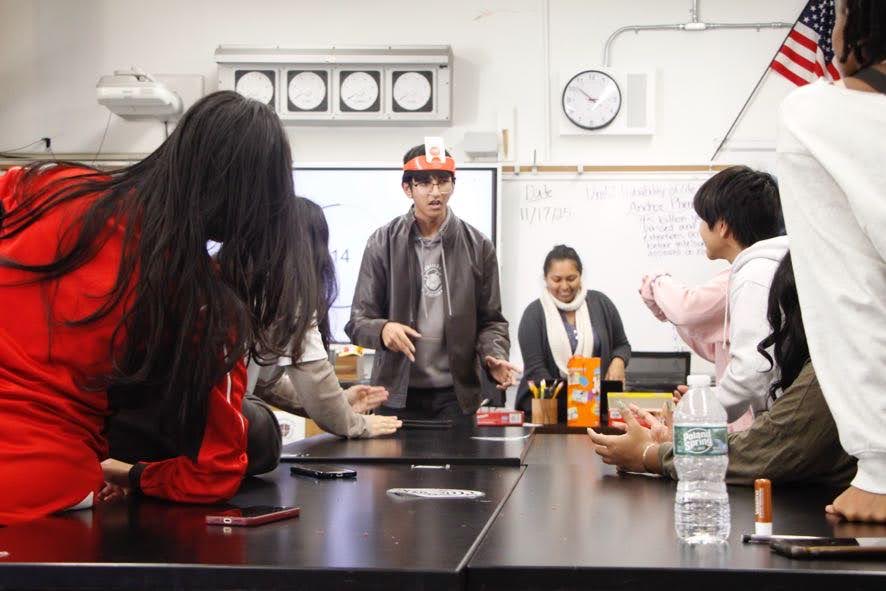
At RHHS, NHS students aren’t just maintaining GPAs; they actively serve the community in a meaningful way that connects the classroom to the real world. Whether it’s through devoting their time in soup kitchens, interning at the Queens Public Library, or helping with school events.
“Working in a soup kitchen, I saw people from all backgrounds,” Mileah Alise-White, a junior in NHS, recalled about the experience. “They had one shared goal: helping in any way possible.”
Additionally, the NHS chapter has helped shape a study center in the library for tutoring focused on intellectual growth and community empowerment. NHS members demonstrated their leadership skills by applying and interviewing to become students and ensure that they were eligible for the role. This tutoring initiative transforms the broader academic climate by encouraging peer-to-peer assistance, dismantling the “every student for themselves” mindset that often haunts competitive students.
This culture of shared knowledge doesn’t just benefit the person being tutored; it reinforces a community where student success is not measured by outperforming others — but by how well students can uplift each other. These events not only serve as a blueprint for future chapters but also set a lasting standard for future leaders.
Beyond academics, opportunities like NHS allow students to step into roles where they are not only making decisions, but also learning how to guide others. These experiences build skills that extend far beyond high school, from communication to empathy and accountability. By encouraging students to lead early on, schools are helping to prepare individuals who are better equipped to navigate challenges, and contribute to their communities.
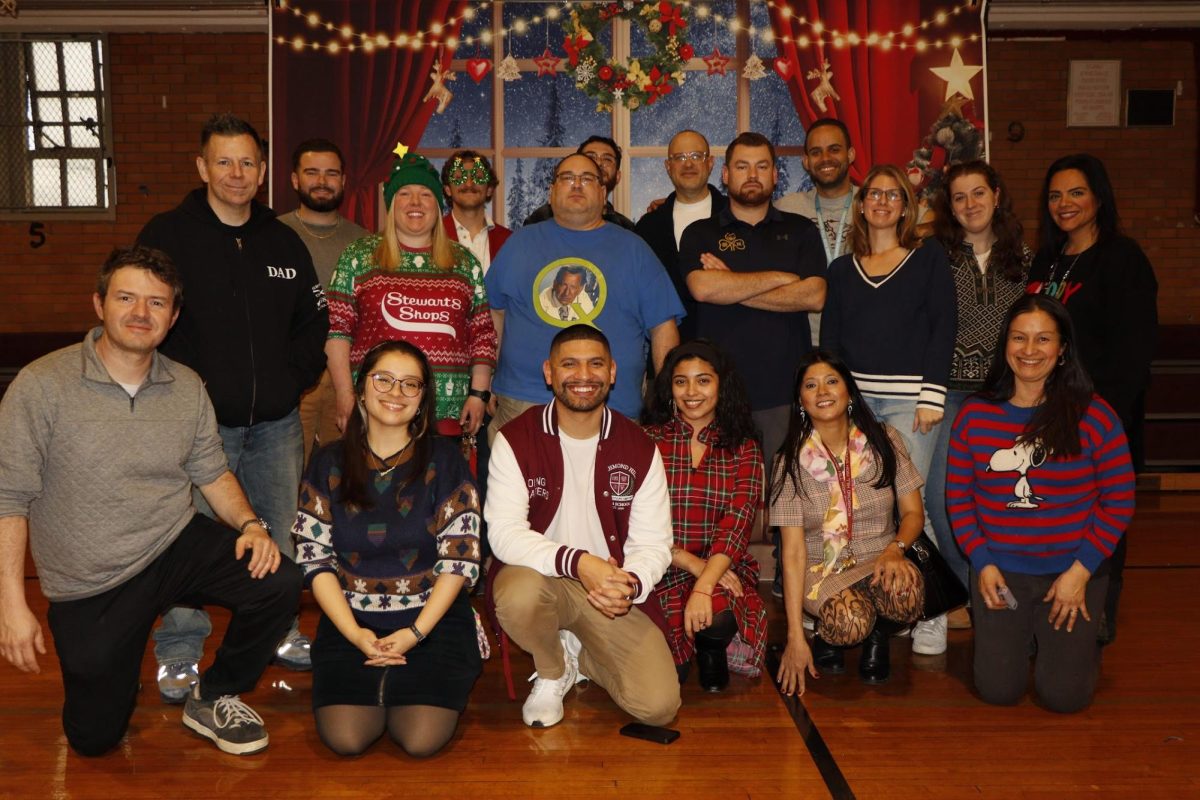
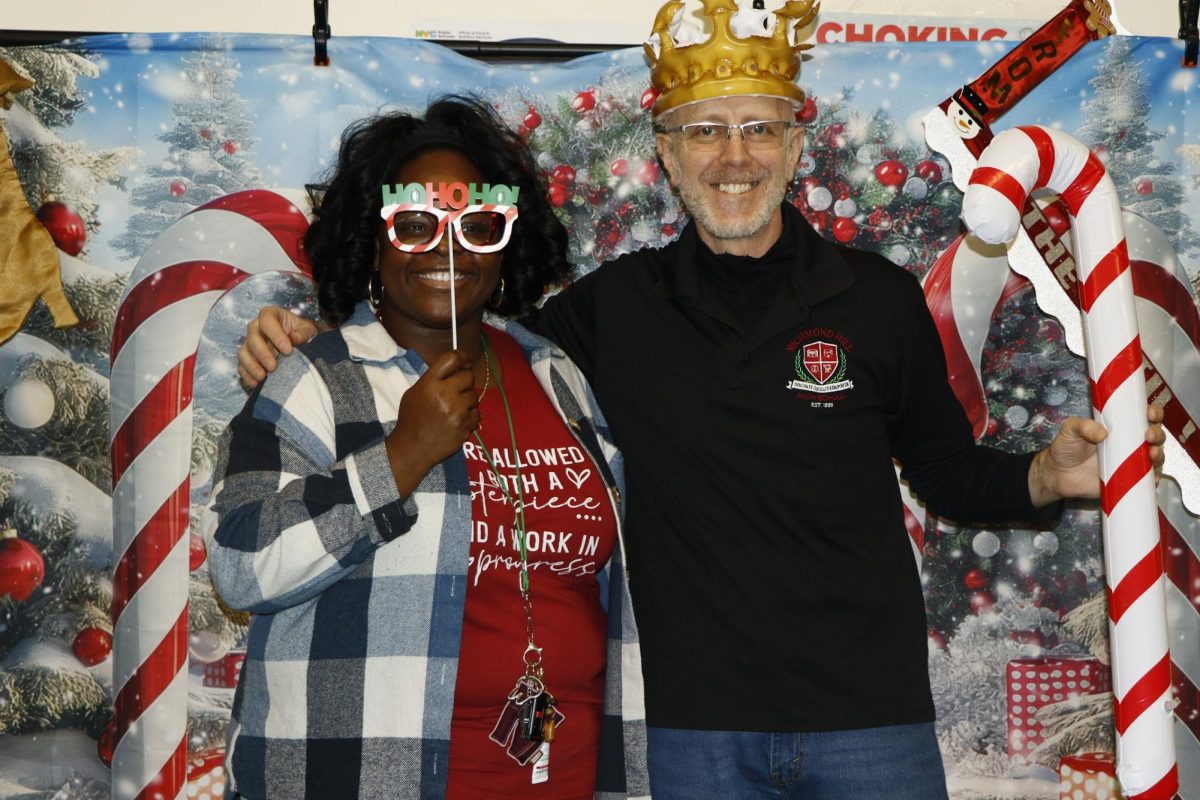
Consequently, this year the NHS chapter faced an obstacle in connecting students. The implementation of the new phone ban brought an undeniable shift to the hallways, leaving many feeling socially detached. As a result, in December of 2025, NHS held a winter photo booth event, recognizing this growing sense of isolation. Photographers from The Domino, the school’s social media club, volunteered to help NHS run the booth. Both the NHS council and representatives of each grade worked together to create different props and frames for students to pose with. This was designed to replace digital interaction with in-person face-to-face connection.
Vice President, Shadia Mia, reminisces on her experience in arranging the event: “Although there were many struggles with management, the photo booth… was a starting point for fun events…” She adds, “I look forward to expanding our NHS chapter.”
Overall, the NHS helps schools identify and develop community-minded leaders; students that follow through on their responsibilities, and think beyond personal achievement. Therefore, schools are not only recognizing student potential, but shaping it into habits of responsibility and service that extend well beyond high school.