

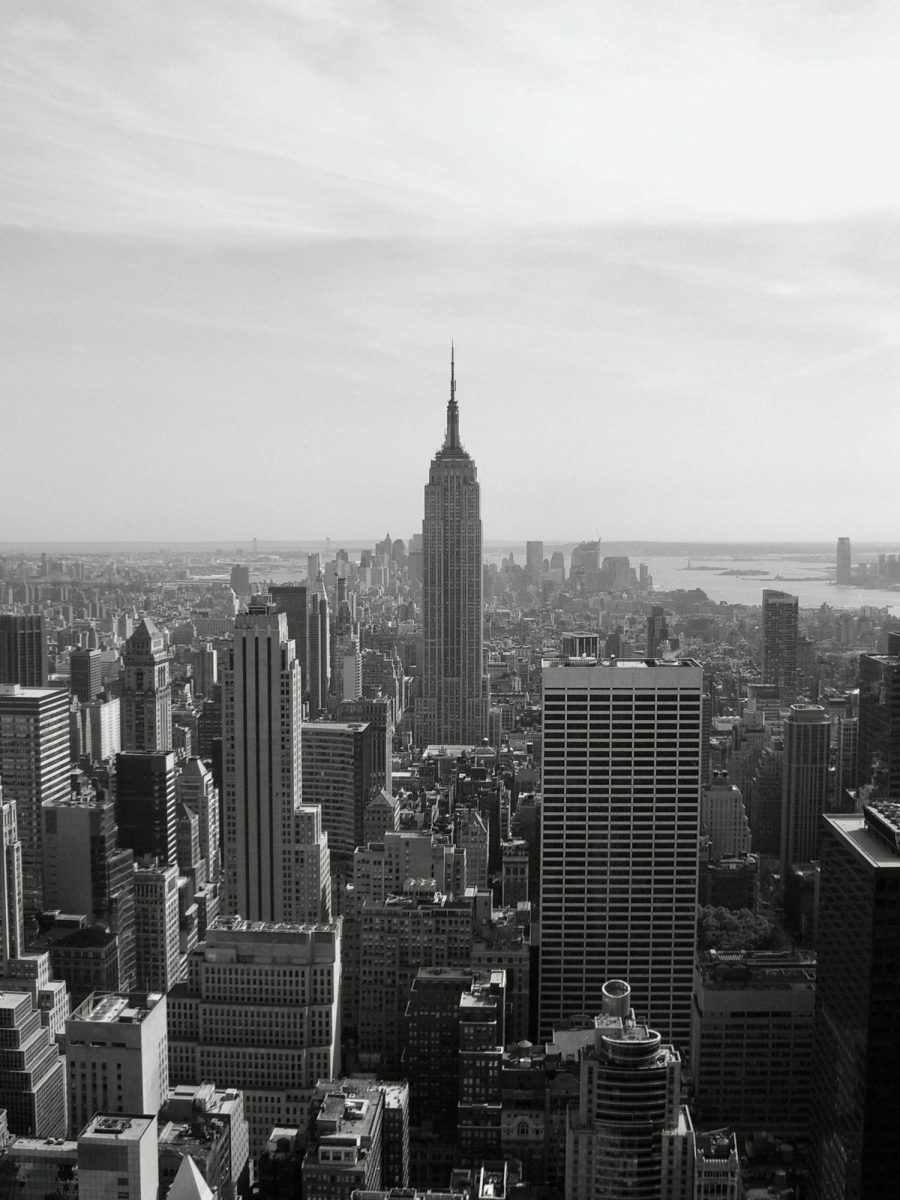






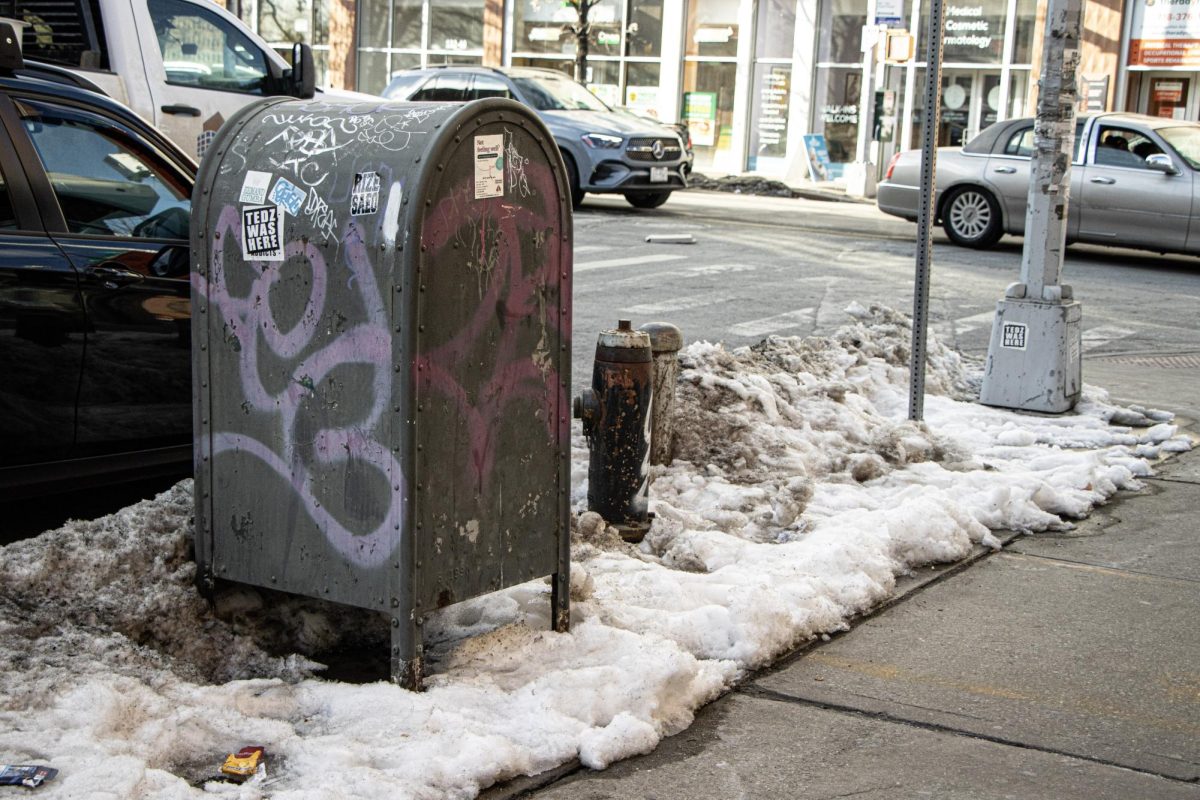
The bustling city that stays awake day and night. People reunite in one spot, New York City. Yet, do we really love the city as much as we insist we do?
Walk down cluttered city streets. What do you see? Rat-infested train stations, trash piled up on the same spot for weeks, gasoline stains on roads, freight-lit pollution above Times Square. Smell? The foul aroma around Queens Center Mall. As humans, we have failed to maintain the city in which we live and thrive. We’ve been so caught up in our lives that we tend to forget that our human nature, our common goals in life, was what brought us together.
Now that we finally have a new, fresh era of 2026, it’s time to revive our city. We, as New Yorkers, must begin to change, to make our city eco-friendly.
But what efforts have been started to address the environmental problems that persist but ultimately abandoned?
In 2001, New York started a new initiative, where they recycled old Redbird and Brightliner model subway cars into the bottom of the Atlantic Ocean, creating artificial coral reefs. This project lasted until 2010, where they recycled over 2,500 train carts, creating a home to numerous aquatic life, like flounder, tuna, coral, barnacles, and more. The project turned out to be a success, as it created new life that spans the ocean depths.
Yet, what happened to initiatives like these? Did we actually forget about the city? Well ultimately, due to budgeting problems and consistent political division between parties, under Kathy Hoochul’s leadership, the city had to draw back from focusing on environmental related policies. Under the new leadership of NYC Mayor Zohran Mamdani, during his election campaign, he promised to address major issues about availability, housing, and such. However, in his campaign, he didn’t address much about the environmental crisis that New York City is suffering through, such as the high population density, hazardous air quality, or even the extreme climate change impacting the city.
The summer of 2025, was recalled as the “hottest summer” in over two decades! Yet, you thought it ended there right? Nope. Because in the future we will be seeing more of it soon, so don’t get comfortable yet. Historically, New York would experience “extremely hot days” on average four times per year that were over 95°F, however this number is predicted to increase to 14 to 32 days per year mid century, and then to 17 to 54 days per year by the end of the century.
As the city continues to crumble, as New Yorkers, we can band together to create initiatives that can be completed by the new mayor, and continue great causes like the recycled MTA carts.
Wil540 art
Creative Commons Attribution 4.0
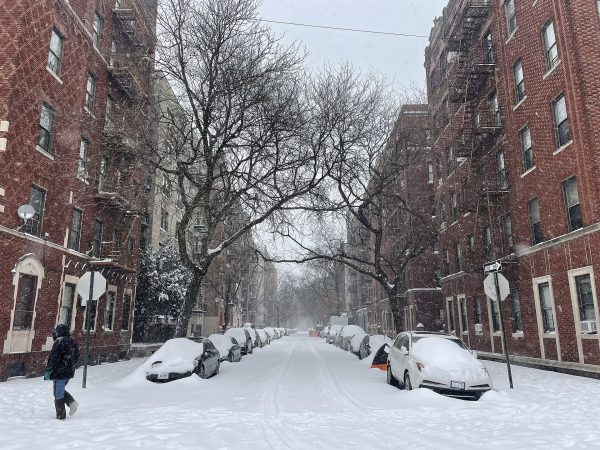
On January 25, 2026, NYC gained about 10-12 inches of snow, a record that came after years of light snow. The snowday was exciting for many, yet the aftermath was a tiring issue that many New Yorkers are facing. Streets are turning into horrifying mountains of ice and cars encased within, making it difficult for daily commuters and frustrating for others. For days, the snow was pushed off the side, but where is the resolution to this? Compared to other cities that deal with snowstorms: Montreal, Canada, has a unique way of removing snow from its busy streets. They have a system where the different industrial trucks take turns in removing the storm. The uniqueness comes in when they use “Snow Blower Trucks,” where the trucks “vacuum” the snow up and directly blow the snow into dump trucks. Thus, creating safe and clean streets that allow everyday travel for civilians. Taking inspiration from Montreal, the New York City Department of Sanitation can work up a budget, where processes like these can take place in our city.
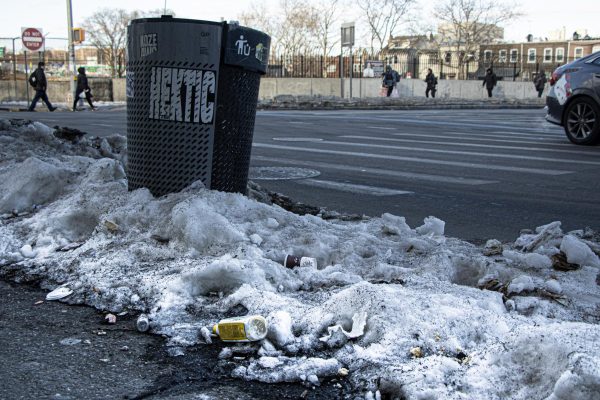
Junior London Gortman claims that she “personally feel they [the city] aren’t doing as much as they can, the snow is becoming an inconvenience especially for the older people.” She later added, “I hope to see more efforts in keeping the streets clean even without the snow, for example: littering should stop being so common considering how many trash cans are outside.”
(Irshaad Rahim)
Senior Amalia Persaud also shared, “New York is more like Pooyork, there’s dog poop everywhere. Queens New Yorkers don’t clean up after their dogs, leading to unfortunate slips.” Amalia argues that dog owners don’t pick up after themselves and demands for change. “Clean up after your dogs, please!”
By taking these inspirations and using our voice, imagine a city where we won’t have to worry about getting dirty rainwater splashed on us or walking through the flooded train stations. Taking care of the city we live in embraces a future of possibilities to a safe environment for both people and wildlife. Focusing on creating the impossible into the possible.