














The modern generation holds a strange place in history; we’re the first to juggle Instagram and a relationship at the same time. Social media isn’t just an app we open when we’re bored, it’s part of our routine, our identity, and whether we like to admit it or not, part of our relationships too. While these platforms were created to connect people, they have increasingly shaped relationships in damaging ways by promoting unhealthy comparison, weakening communication, and creating jealousy and insecurity.
A recent example of this is the breakup between Kai Cenat and Gabrielle Gigi Alayah. Online, they were seen as one of the internet’s favorite couples and labeled relationship goals. But when they split, it became clear that the polished posts didn’t show the private problems behind the scenes. Their breakup proved how easy it is to believe an image instead of the reality.
Time has shown that social media may have too much of a role than what we may like. Social media isn’t just a place to post pictures or watch funny videos anymore. It’s where a lot of relationships live, breathe, and sometimes get ignored.
What used to be private conversations, shared experiences, and captured moments has slowly become filtered through screens, likes, and public opinions. And this shift hasn’t been harmless, it’s changed the way people form, communicate, and even end relationships, often blurring the line between real connection and online performance.
Online platforms were supposed to bring people closer. They let you message someone instantly, share memories, and stay connected even if you’re not in the same room. While social media can further connections, there’s a growing body of research showing that it also introduces serious challenges to how relationships work and how people experience them. For example, relationship psychologists writing for Psychology Today noted that frequent social media use can lower relationship satisfaction by increasing comparison and reducing the quality of communication.
Constant Comparison Has Become the Norm
One of the biggest ways social media messes with relationships is by making comparison constant and unavoidable. On social platforms, everyone posts their best moments: vacations, celebrations, selfies, perfect couple pictures, or cute captions. But those posts aren’t the full story, they’re curated highlights meant to look flawless. Seeing those idealized versions all the time creates pressure to measure your relationship against everyone else’s best sides.
Because of that, relationships can start to feel like competitions. Instead of focusing on what a relationship actually is, attention moves to how it looks. That constant comparison can breed insecurity and disappointment, making confidence and connections harder to hold onto.
A clear example of this can be seen in the way social media creates “it couples,” a term used to describe highly visible relationships that are widely admired and treated as standards online, that people hold up as relationship standards. For years, Desmond Scott and Kristy Sarah were widely viewed as a model relationship. High school sweethearts who built a family and online presence together. Their posts often presented a polished image of long-term love and stability.
Many people compared their own relationships to that image, assuming what was shown online reflected reality. However, the couple has since divorced following infidelity, really showing the gap between curated online portrayals and real life relationships. Their split serves as a reminder that social media often hides conflict and complexity, making comparison not only unrealistic but misleading.
Real Communication Is Getting Lost
Social media also weakens honest communication. Studies show that relying on online messaging and screens to handle important conversations, especially conflict, can distort tone and reduce emotional clarity.
When people try to talk about their feelings over DM’s or comments, it’s easy for meaning to get lost or misunderstood. Worse, social media can make it tempting to avoid hard conversations all together. Instead of sitting down and talking things out, people might post indirect captions, drop hints in stories, or vent publicly instead of communicating privately. That doesn’t resolve issues, it just causes more tension and confusion.
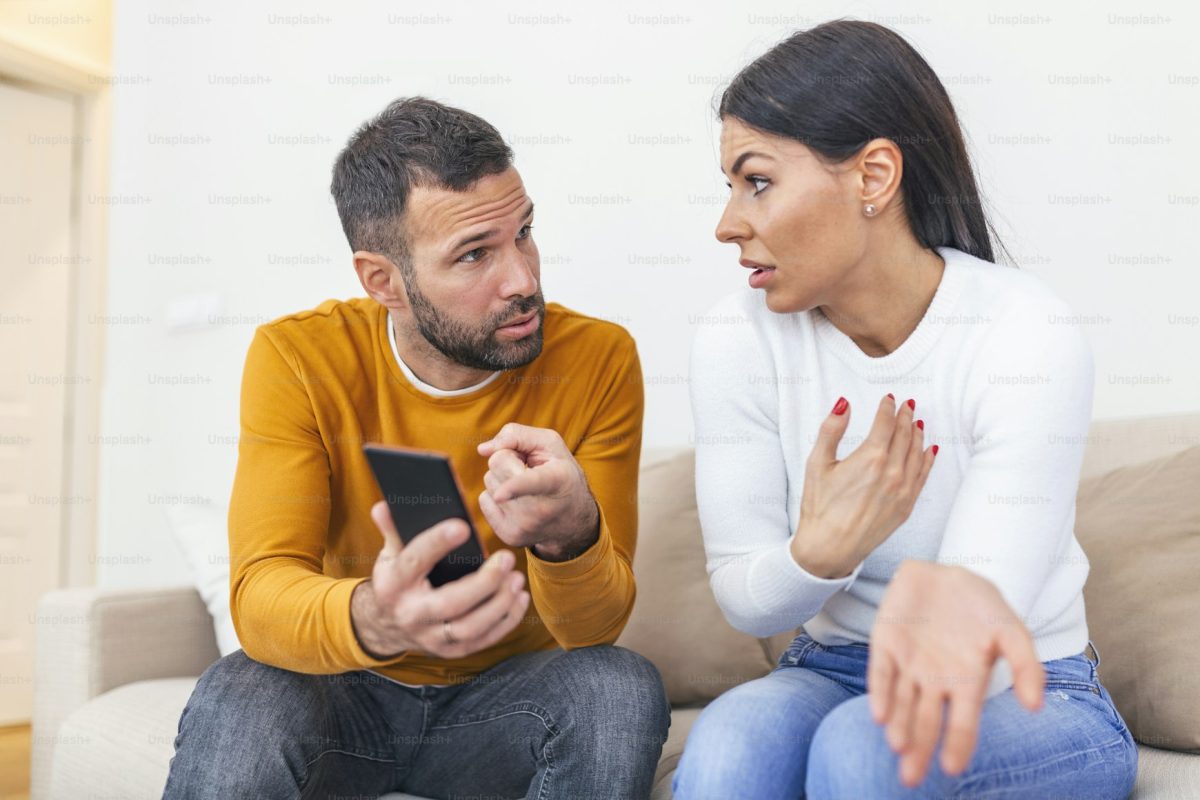
Another issue is how often conflict now plays out through text messages or DM’s instead of face to face conversations. When arguments happen through screens; tone and emotions are easy to misinterpret. A short reply can come off as cold, defensive, or dismissive; even if that wasn’t the intention. Without facial expression, body language, or immediate clarification, a small misunderstanding can quickly escalate into bigger problems. What could have been resolved in a quick conversation often turned into a longer argument simply because messages are interpreted differently than what they originally meant.
Jealousy and Insecurity Are Always One Scroll Away
Social media doesn’t just change how people talk, it changes how confidence works. Likes, comments, and interactions with others are constantly visible. That can make jealousy and insecurity feel unavoidable, especially if someone is constantly comparing their relationship to what they see online.
It doesn’t take much for jealousy to flare up when someone sees an ex commenting on a photo, someone else getting more likes, or a highlight reel that makes another relationship seem “better.” Because everything is public, it’s easy to feel watched, judged, or ignored. It’s almost impossible to not overthink what it all means.
Constant comparison, weakened communication, and increased insecurity in our generation has shown how deeply social media has reshaped modern relationships
What This Means for Relationships Today.
Social media wasn’t all that bad at the start. After all, platforms were created to help people stay connected and share experiences in real time. But, the consequences of constantly using it have layered on pressure, comparison, and stress in ways that real face-to-face connections of the past didn’t have to deal with.
Instead of helping relationships grow trust and communication, social media often invites distraction, insecurity, and misunderstanding. It makes it easy to hide behind the screen and harder to practice empathy and honesty, things that are actually essential to healthy relationships.
One positive takeaway from all of this is the power of awareness. Understanding how social media affects relationships from comparison to communication, is the first step to using technology intentionally, not letting it quietly shape how people feel and relate. Relationships aren’t meant to be content. And if you start seeing them for what they really are (real, messy, imperfect, unfiltered connections), there’s a better chance your relationship will be stronger, not weaker, in the long run.
References:
“Social Media and Relationships | Communication and Mass Media | Research Starters | EBSCO Research.” EBSCO, www.ebsco.com/research-starters/communication-and-mass-media/social-media-and-relationships
PsyD, Rachel Needle. “There Are Good and Not-so-good Things About Using Social Media in Relationships.” Psychology Today, 8 May 2024, www.psychologytoday.com/us/blog/mental-and-sexual-health/202405/is-social-media-good-for-relationships?utm_source.