









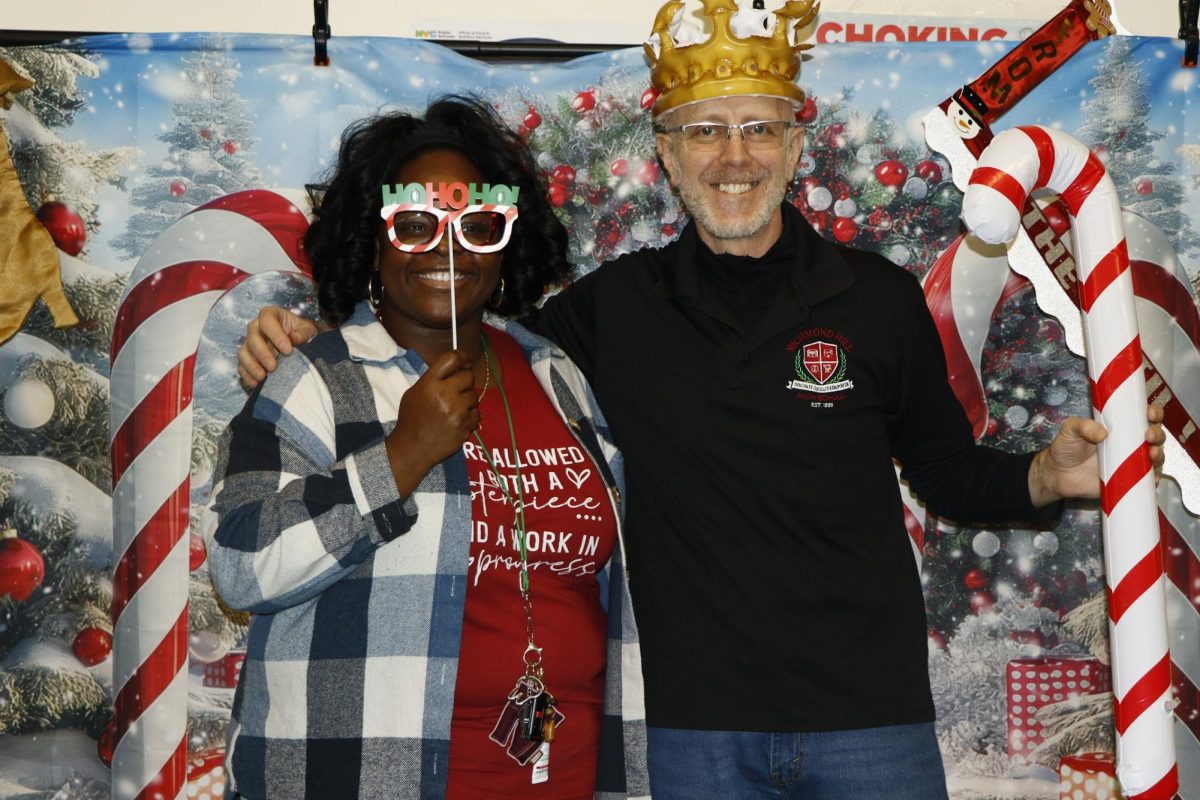


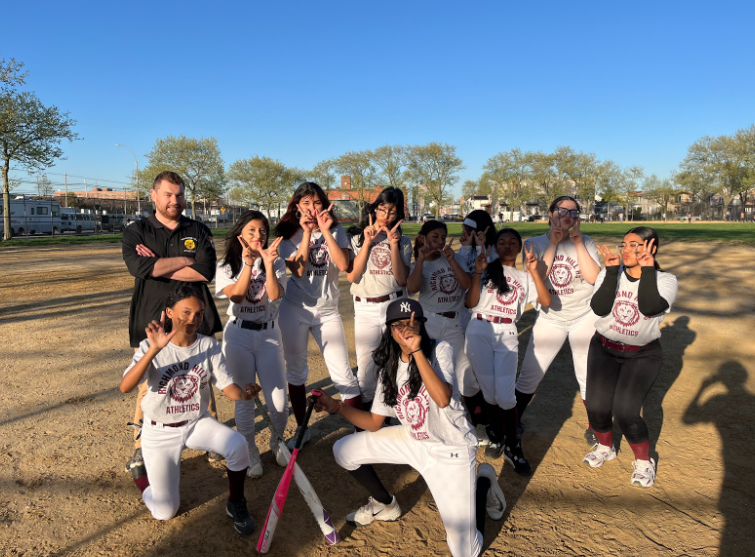



Last Week, Richmond Hill High School (RHHS) joined schools across the country in celebrating Teacher Appreciation’s Week — a time to recognize the educators who shape the future of every student. Inside every classroom, there is a story worth telling. Teachers don’t just deliver lessons; they spark the curiosity of students, challenge them to grow as individuals, and guide them to their respective roles in this world. Moreover, their influence reaches far beyond the classroom or textbooks; it stays persistent in the way the students view the world around them. At RHHS, this week serves as a pivotal moment to reflect on these everyday experiences and acts of mentorship that go unnoticed constantly.
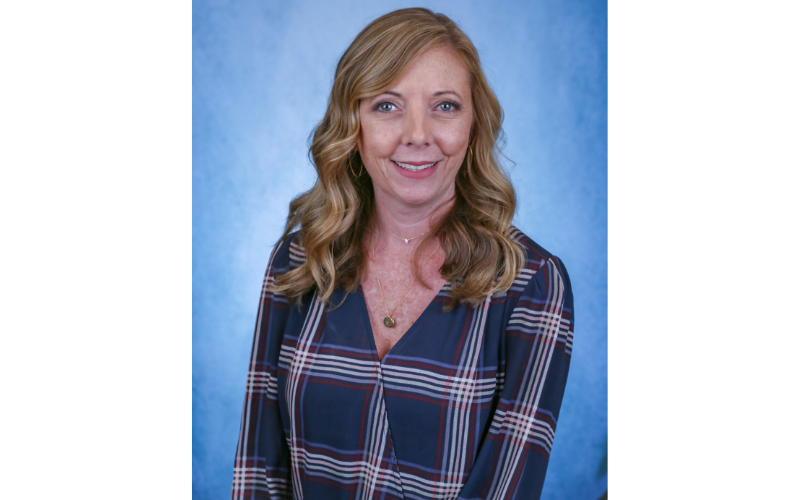
One of the most important subjects everyone must study is history; not just for facts and dates, but simply for understanding how people and ideas shape the world we live in. At RHHS, Ms. Restifo brings that truth to life everyday. Through her AP Government and history classes, she challenges students to think critically, connect past events to current issues, and see themselves as part of the history-making process.
“I was inspired to teach AP Government because I enjoy helping students understand their rights and how government affects their daily lives,” Ms. Restifo explained. “One moment that reminded me why civic education matters… [was] when students respectfully spoke about an important issue and listened to each other’s ideas.” Teachers like Ms. Restifo make that connection possible, showing how passion for the past can inspire purpose in the present.
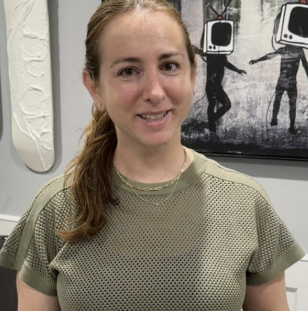
Just as history helps students understand humanity’s past, science helps individuals grasp how the world itself operates. One teacher at Richmond Hill that has made science exciting is Ms. Pereira, a chemistry teacher. As a first‑generation college student from India, she discovered her passion for science through chemistry and geology, eventually finding her calling in education.
“I want my students to see science not just as a subject they study in school, but as a way to understand the world around them,” Ms. Pereira said. Her lessons connect scientific concepts to real‑world issues, such as pollution and acid rain, helping students see how chemistry shapes the environment. From making gifts for her students to helping her classes overcome curriculum changes, her curiosity and dedication reminds students that science is not about memorizing facts; it’s about discovery.
Among the given core subjects taught to students, English remains one of the most misunderstood subjects. But Mr. Chon helps students begin to understand that English isn’t meant to be restricted by the simplicity of “something”— it’s everything.
“Literature, books, lessons; all of that is…casting a mirror onto us,” Mr. Chon remarked. “And I think that’s something really magical about the English subject.” English allows individuals to explore the world they live in. Whether it’s a young teenager reading the awkward scenarios in Diary of a Wimpy Kid to a person-of-color reading about the horrifyingly-realistic racist conflicts in To Kill a Mockingbird: ELA allows individuals to discover themes they often see in their own lives.
Choosing to encourage rather than silence, Mr. Chon “…never [shuts] down an answer.” Instead, he supports his students along the way, leading by example and involving his students rather than casting them adrift. His motivation for teaching centers on the idea of creating a safe and welcoming environment for students, focused on making a difference and fostering what he believes to be the most important trait of all — curiosity.
The final spotlight goes to Ms. Escalante, whose art classes allow students to express themselves creatively rather than academically. Art has been an activity proven to release dopamine and reduce cortisol; it is a tool used for managing the pressures of daily life. Disliking “…when all artworks look the same,” she insists on including her students’ personal passions and interests in the mix, appreciating what they bring to the table.
“I really appreciate choice” in art, Ms. Escalante remarked when asked about her teaching lessons. New techniques, digital art — Ms. Escalante “…[loves] connecting with students.” She wants her students to be able to express themselves in art, and that connection she shares with them in art motivates her to work as hard as she does every day.
At Richmond Hill, teachers leave a profound impact on students through their bright personalities and informative teaching styles. Therefore, students should acknowledge that Teacher Appreciation Week is more than just a week; students should always take the opportunity to value their teachers for the work and guidance they provide. Appreciating teachers is more than just saying it, students should show their admiration. Tell your teachers that they mean the world to you; it means more than you think.