


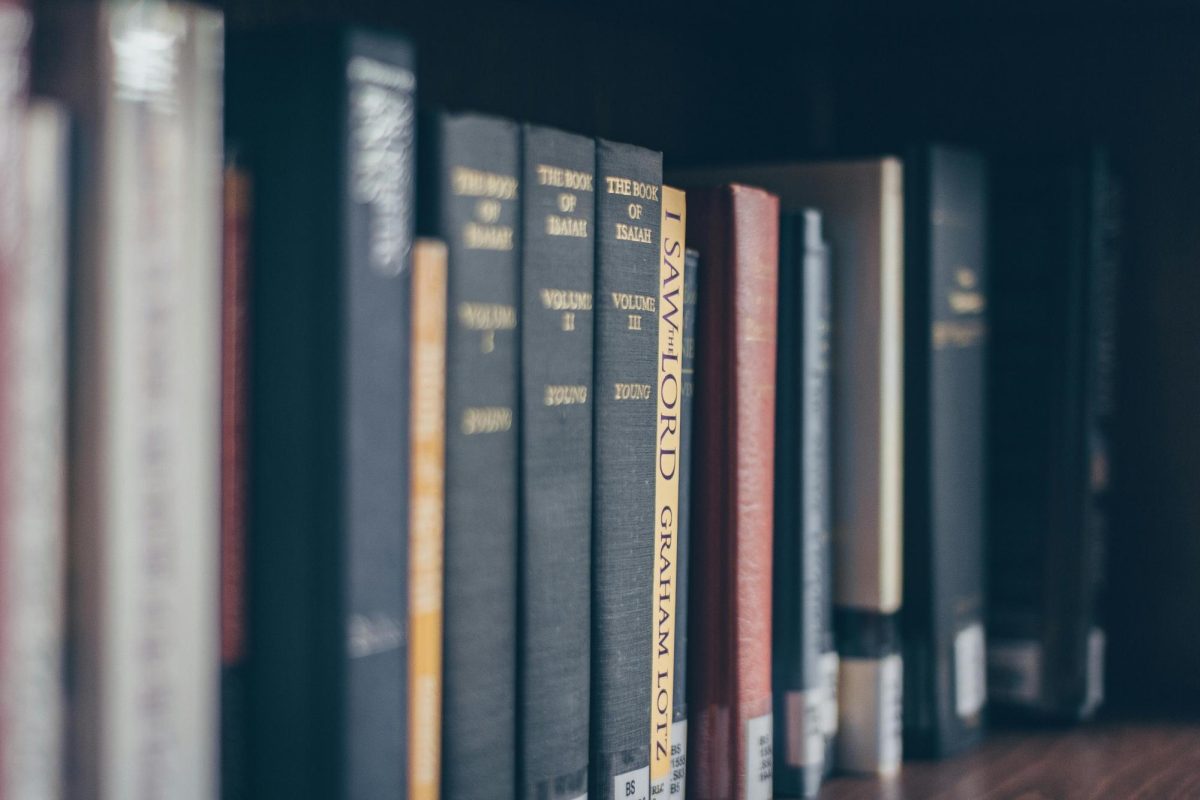
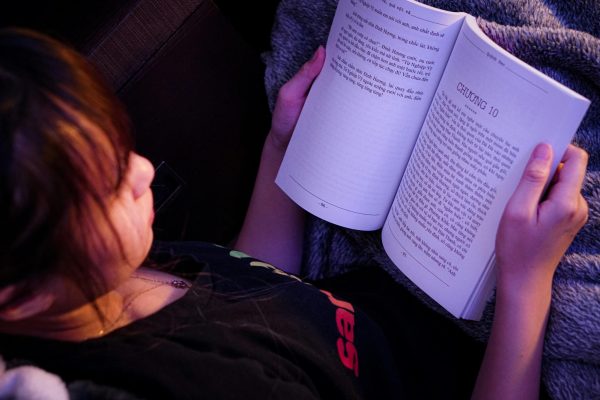
In Pre-K, I was always the kid who skipped naptime to read. I grew up surrounded by books of any genre; my mind was filled with all kinds of perspectives. I’m convinced that if it weren’t for books, then I would be a conservative, close-minded Catholic. Books are essential relics from the past and the present. They serve a large purpose, and without them, I genuinely believe society would lack much of the information about how the world came to be.
Book banning dates back centuries. The first recorded book ban in the US, dates back to 1637, when Puritan authorities in Massachusetts banned Thomas Morton’s ‘New English Canaan’ for criticizing their society (History of Book Banning). This ban is often cited by historians as one of the earliest examples of censorship in America, where books were restricted to insure religious and political control.
In 2025, book bans have expanded to include books on the LGBTQ+ community, as well as racial injustices. (What’s Happening With US Book Bans Under Trump? | Mirage News.) These bans are largely driven by state legislatures, school boards, and parent advocacy groups who argue that such books are inappropriate or harmful to children.
There’s a fine line between censorship and just excluding books in schools because of gore or heavy profanity. Yes, certain books shouldn’t be in a school setting, but that doesn’t mean they have to be banned altogether. If a book is removed from a school library for age-appropriateness, it can still exist in public libraries or bookstores. The concern arises when exclusion in schools becomes justification to remove them everywhere, because once the government claims the authority to decide what ideas are “too dangerous” that same logic can be applied anywhere.
Educators and the Role of Perspective
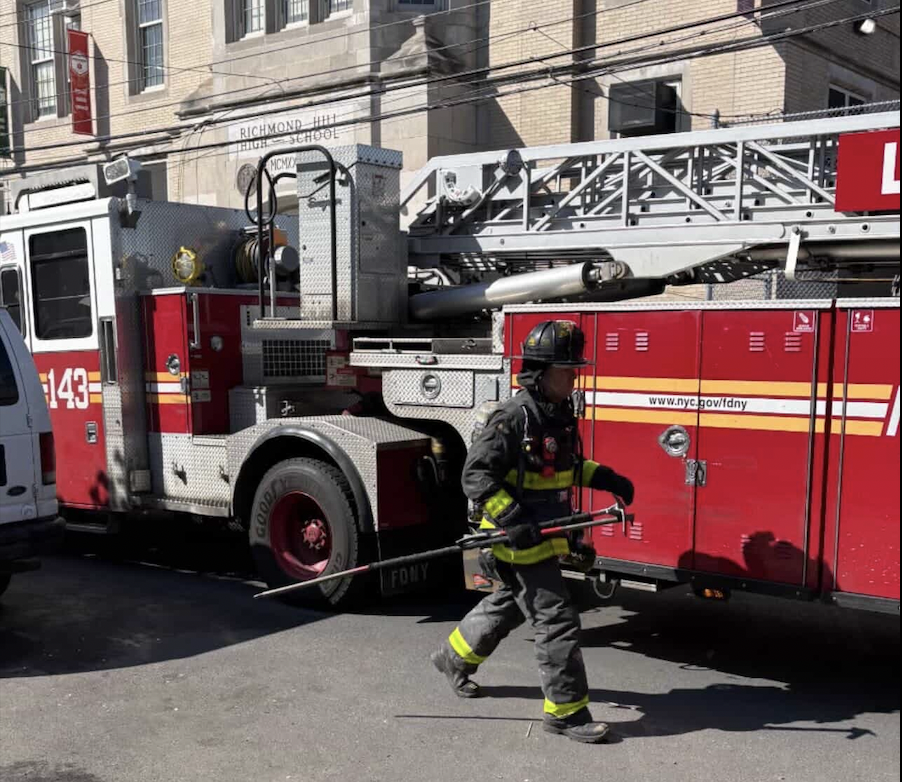
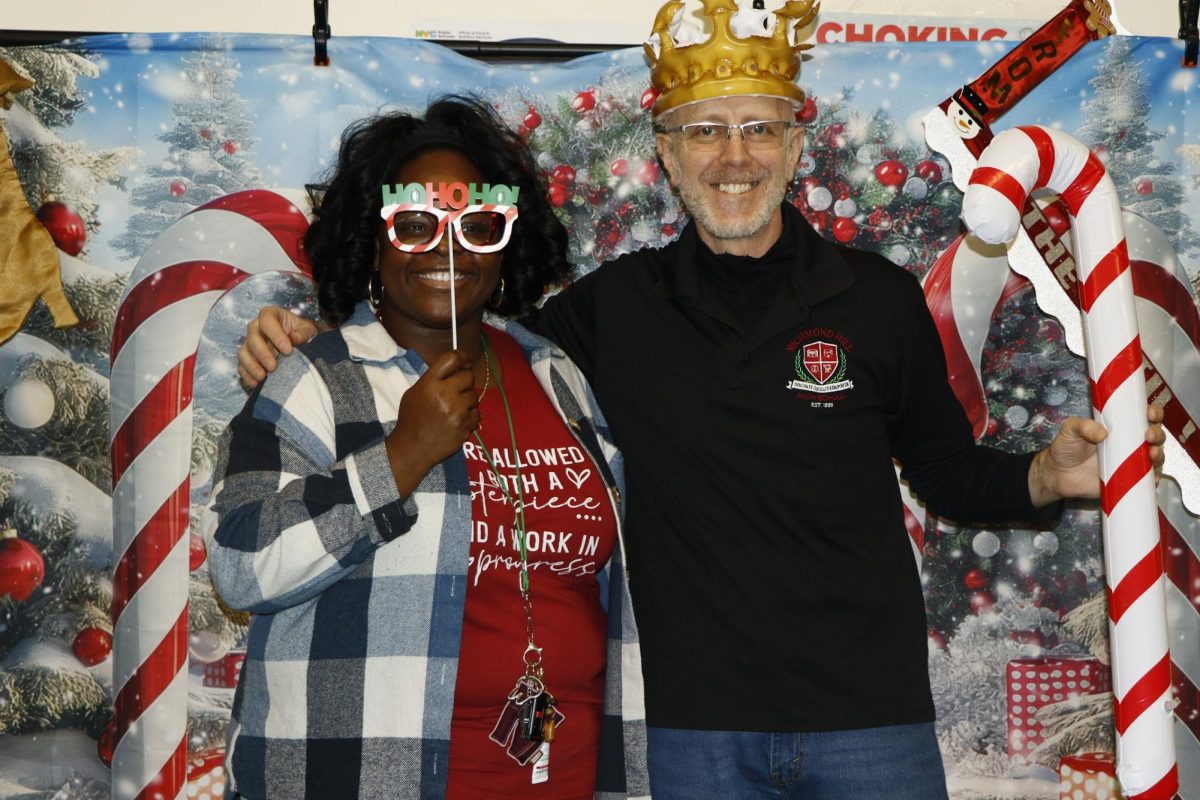
In an interview with an AP Language Teacher at Richmond Hill High School, Mr. Solomon offered some thoughts on the ongoing book-ban discourse. While they were brief, his responses reflect a larger perspective about censorship, balance, and student growth.
If one perspective is taught, it should be balanced with another so students can form their own opinions. He explained that too much of one viewpoint can feel pushy and that “anything and everything should be available.” This directly supports the argument that education is not about endorsement, but exposure.
He also noted that if a specific book were banned, he could always find another text to teach the same skills, but ethically, censorship remains wrong. According to him, “the concept of books being banned and people being okay with it is the problem.” He warned that when people don’t speak up about morally wrong actions, more freedoms can be stripped away without society even realizing it. This structure is not made of isolated incidents, but as part of a larger pattern of normalized restriction, or what some might call it, censorship.
“Growth only comes when we challenge what we already know,” Mr. Solomon shared. “No one says you have to change your mind, but it’s good to see that perspective.” He explained that challenging ideas helps people grow emotionally and spiritually, avoid echo chambers, and develop problem solving skills. This shows that discomfort in reading is not harmful, but it is part of how we develop intellectually.
Trapped by Geography, Freed by Books
If you live in a city like New York City, the minute you enter school, you’re exposed to many different perspectives. But if you live in a small town, where there’s a huge book ban and everyone goes to the same church, the same schools, and the same cafe around the corner, it’s easier for one ideology to be pushed on you. In several Texas school districts, books addressing LGBTQ+ identities, racism, or reproductive health have been removed following challenges by parents or lawmakers who argue these topics conflict with community values. (ABC13)
It’s less likely that you’ll hear about someone who’s a part of the LGBTQ+ community or someone who believes in a different ideology. This is where the importance of books comes in: they expose you to a whole new world.
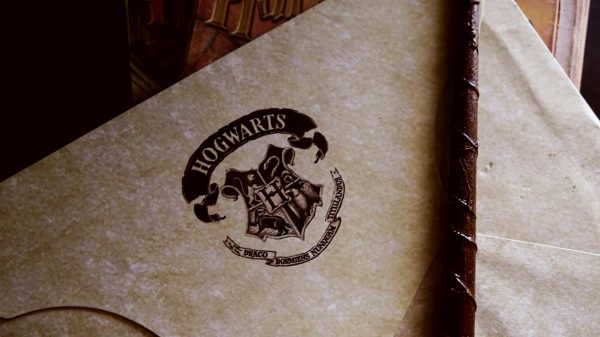
Books help expand your imagination; they enable you to create a world beyond what you know. Like the famous book series, Harry Potter, “The Harry Potter” series, for example, has frequently been banned because of its depiction of magic and witchcraft–” (The Editors of ProCon). Opponents argue that such books promote values that conflict with religious beliefs, while supporters argue that banning them restricts creativity and exploration. Banning these kinds of books limits a child’s imagination; a chance to explore the unknown.
Books are sacred because they’re how humans express themselves; no matter how they word it, they are still expressing themselves. This is not to say books cannot be harmful, history shows that texts like manifestos or propaganda can cause real damage. But, in a democratic society, the usual response isn’t to erase them, it’s to challenge them. This fits with First Amendment values, which protects speech not because it’s safe, but because we have the right to debate it.
Libraries Under Pressure
The more I learned about book bans, the more I realized how much pressure they place on libraries and the people who run them. In an interview with the school librarian at Richmond Hill High School, Ms. Panico, I learned that book bans don’t just remove stories from shelves; they take away the library’s purpose altogether.
Ms. Panico explained that a librarian’s responsibility is not to agree with every idea presented in a book, but to make sure students have access to information and learn to think critically for themselves. “I think one of the greatest benefits to reading, especially fiction, is being able to explore different cultures, people, and ideas that are new,” Panico shared. “Even sometimes uncomfortable for some, but, lets you become empathetic toward ideas and people you may have never considered before.”
Hearing this supported the belief that limiting books, whether fiction or nonfiction, makes it harder for students to grow creatively and academically. I was also intrigued by her point that many books are loathed by people who have never actually read them, often out of fear or a simple misunderstanding.
Banning books about identity, history, or personal experiences does not protect students. Supporters of bans argue that removal protects children from confusion, emotional stress, or ideas they believe students are not ready for. However, this assumes that seeing something means agreeing with it, and it disregards the importance of guidance. It prevents them from understanding different points of view and weakens the library’s purpose as a place where everyone should feel represented and supported.
The Psychological Impact of Bans
I’ve always felt that who we are isn’t just about the genes we’re born with; it’s about what we experience and the world we grow up in. But when books are banned, young people lose one of the few safe ways to learn about things their families might never talk about, like sexuality, identity, or mental health.
Psychology Today argues that banning diverse books robs young people of the “opportunity to have an open dialogue and engage in critical thinking in a safe, supportive environment. Youth are likely to seek information elsewhere, from unmonitored, unsafe sources, without the support of trusted adults.” This challenges the argument that ignorance keeps students safe and suggests that blocking access actually pushes them toward worse information.
Many teens and adults know how lonely it can be when there’s nowhere to turn for honest answers, and books can be that quiet place where you feel understood. Psychology Today also highlighted, “perhaps the answer is not in pulling uncomfortable topics off the shelf, but engaging in conversations that matter, learning from one another’s perspectives, and trusting children to make choices guided by their values, regardless of the words on the page.”
UNICEF doubles down, saying that when kids don’t have a safe space, they latch on to the nearest exit, the internet. Something that was once deemed beneficial can now be the most significant danger for a child. Research consistently shows that unsupervised online spaces expose children to misinformation and extreme content online more than in school or via library books.
The Cost of Control
At the end of the day, book bans don’t actually protect kids. Data from organizations like the American Library Association show that schools with broader access to diverse materials report higher student engagement and stronger critical thinking skills . They take away one of the best ways we have to learn, think for ourselves, and understand the world.
Books let us explore ideas safely, ask questions we might not feel comfortable asking out loud, and see the lives of people who are different from us. Books have helped shape how others think, understand other people, and let them figure out their beliefs instead of just accepting what they’ve been told.
When books are taken off shelves, students lose more than just stories. Students interviewed about book bans report describing feeling erased or silenced when books representing their identities are removed . They lose chances to feel seen, to learn, and to grow.
If we really care about helping kids, we shouldn’t be banning books. This does not mean unrestricted access without guidance, it means trusting educators, librarians, and families to guide children rather than erase it. Books are not dangerous; they’re one of the most important tools we have to understand ourselves and the world around us.