












In today’s world, streaming platforms like Netflix and YouTube provide endless entertainment at any moment, almost making live theater seem out of place. When you can pause, skip, or replay something from your couch, it is easy to wonder why anyone would spend two hours in a theater. However, despite the convenience of digital entertainment, theater still matters. Live performances offer real-time emotions, authentic human connections, and shared experiences that screens cannot fully replace.
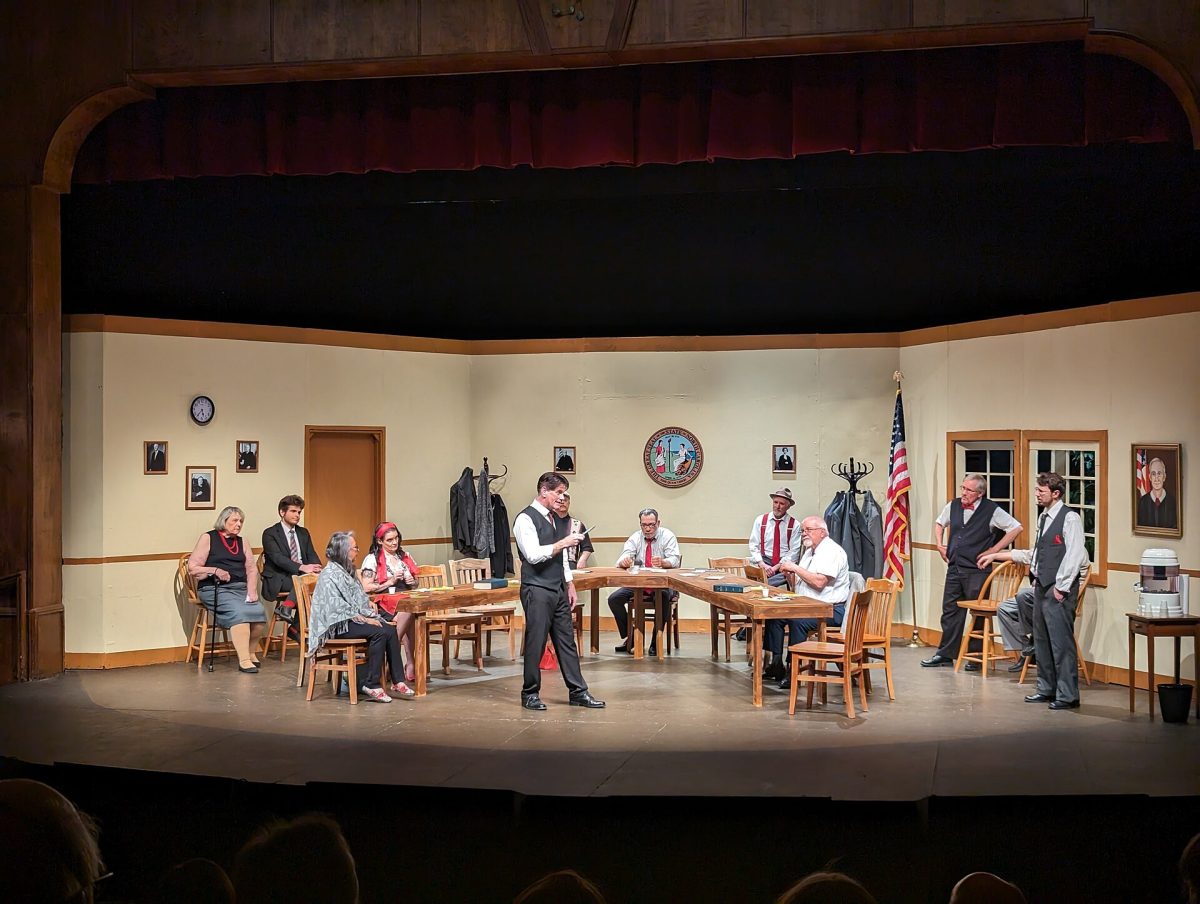
The value of theater is not entertainment, but in the richness of the experience itself. A ticket is not just a seat: it’s the actors, musicians, stage designers, and the creative team working in real time to deliver performances. Geann Rafael, a college student, is a firm believer that live theater still has a meaningful place in today’s culture. Geann said theater is absolutely still relevant today, even with all the options online, because it’s people sharing the same space and moment that matters to him.
He describes theater as a raw and immediate connection which builds a sense of community and culture that online platforms can’t match. For example, live-performance is a separate world from society where you get the opportunity to slow down. When you’re in a live performance, you get sucked into the experience, lose track of time, and are shocked that hours have gone by. There aren’t any retakes or edits, forcing the viewer to process everything happening right in front of them. Moreover, the lights, sound design, and movements embrace the audience creating an immersive environment that digital entertainment cannot replicate. “Theater is not a solo experience,” Geann said. “It’s a shared experience where individuals are sharing the same emotions together.”
You can’t scroll backwards or take your attention away, the same as you can with streaming. It demands all your attention. Geann mentioned how theater provides you with emotional connectivity. There is this feeling of vulnerability on stage since it is a live performance. It could potentially go wrong at any minute, and that elevates the drama. This provides an increased connection between the performers and the audience.
Another unique thing about live performance is, for instance, how each performance is different from the next one. A performance is unique, even if it’s a replay of the same play, it will never be quite the same. Each show will have differences in terms of quality: things like timing, audience participation, and actor performance make each performance unique. The sacred experience of theater is something Geann expressed, is something you see once and will never be able to repeat in the same instance again.
Aside from the cultural and educational values theater provides in creating empathy towards different views; Geann stated that many shows incorporate themes about the social and historical giving audiences something to think about in the society they live in. He discussed how shows such as Hamilton have redefined modern society’s view on the past, or how current shows with themes such as global warming, racism and gender create discussions on issues important today.
Theater allows us to experience unique and differing views to our own; it makes these experiences very real. The preservation of traditions through theater or cities brings communities and people together, and the art form continues to change society even through the technological age of screens. Live theater performances bring the power of humanity, which is undeniable by the nature of our interactions and what no screening service can recreate.